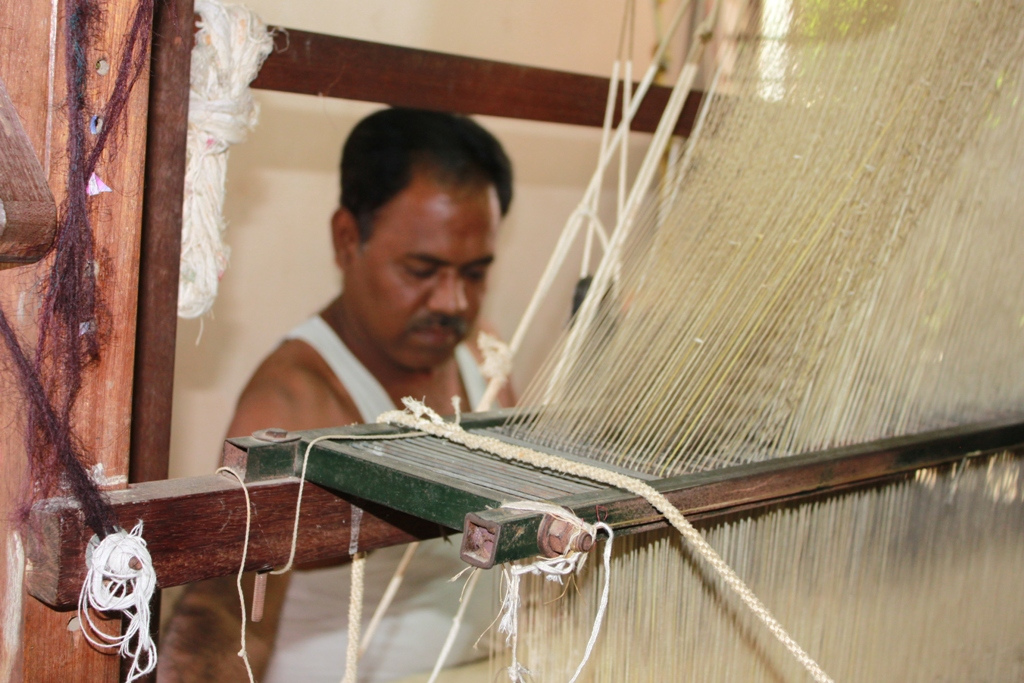
More than the final act of weaving
Yarn preparation, dyeing, winding, warping, design development, weaving, and finishing contribute to the finished textile. The NID documentation records collaborative preparation before the loom is ready. The person selling a saree may represent only one part of that chain.
Weavers and cooperatives
The district’s history describes weaver cooperatives as an important part of Kanchipuram’s textile economy. A cooperative, an individual maker, and a retailer are different kinds of seller. Ask which relationship applies to the piece in front of you rather than inferring it from the shop name.
Make a workshop visit respectful
Arrange a visit in advance. Ask before photographing people, designs, or their home. Let the maker decide what can be shared publicly. If you want to commission a saree, discuss the design, materials, payment stages, and realistic delivery window in writing.
What a useful maker story includes
Prefer information that helps a customer understand the work: weaving location, the maker’s role, technique, material choices, and who is responsible for the sale. An emotional biography should never have to stand in for clear product details.
- Credit collaborators when the maker wants them credited.
- Ask what “direct” means in the actual transaction.
- Respect a maker’s right to keep private details private.
Sources & further reading
References support the passages where they are cited. Comparison worksheets, shopping questions and planning examples are practical editorial guidance.